
Newsletter Subscribe
Enter your email address below and subscribe to our newsletter

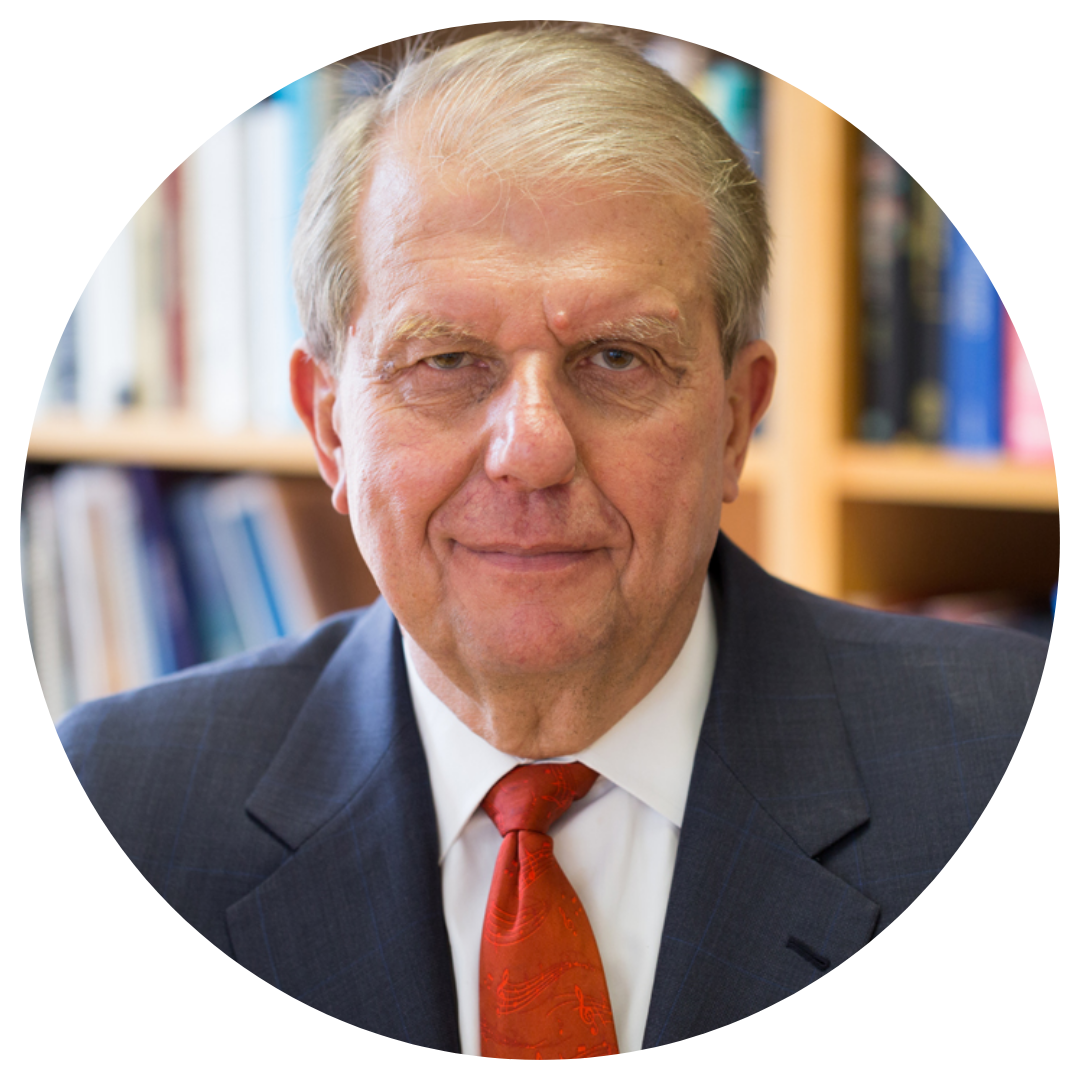
Leo Chalupa is a Ukrainian-American Neuropsychologist who serves as Vice President for Research and is a Professor of Pharmacology and Physiology at George Washington University. He was previously a Distinguished Professor of Ophthalmology and Neurobiology at the University of California, Davis, and Chairman of the Department of Neurobiology, Physiology, and Behavior, where he also served as the Director of the UC Davis Center for Neuroscience and Interim Dean of the College of Biological Sciences.
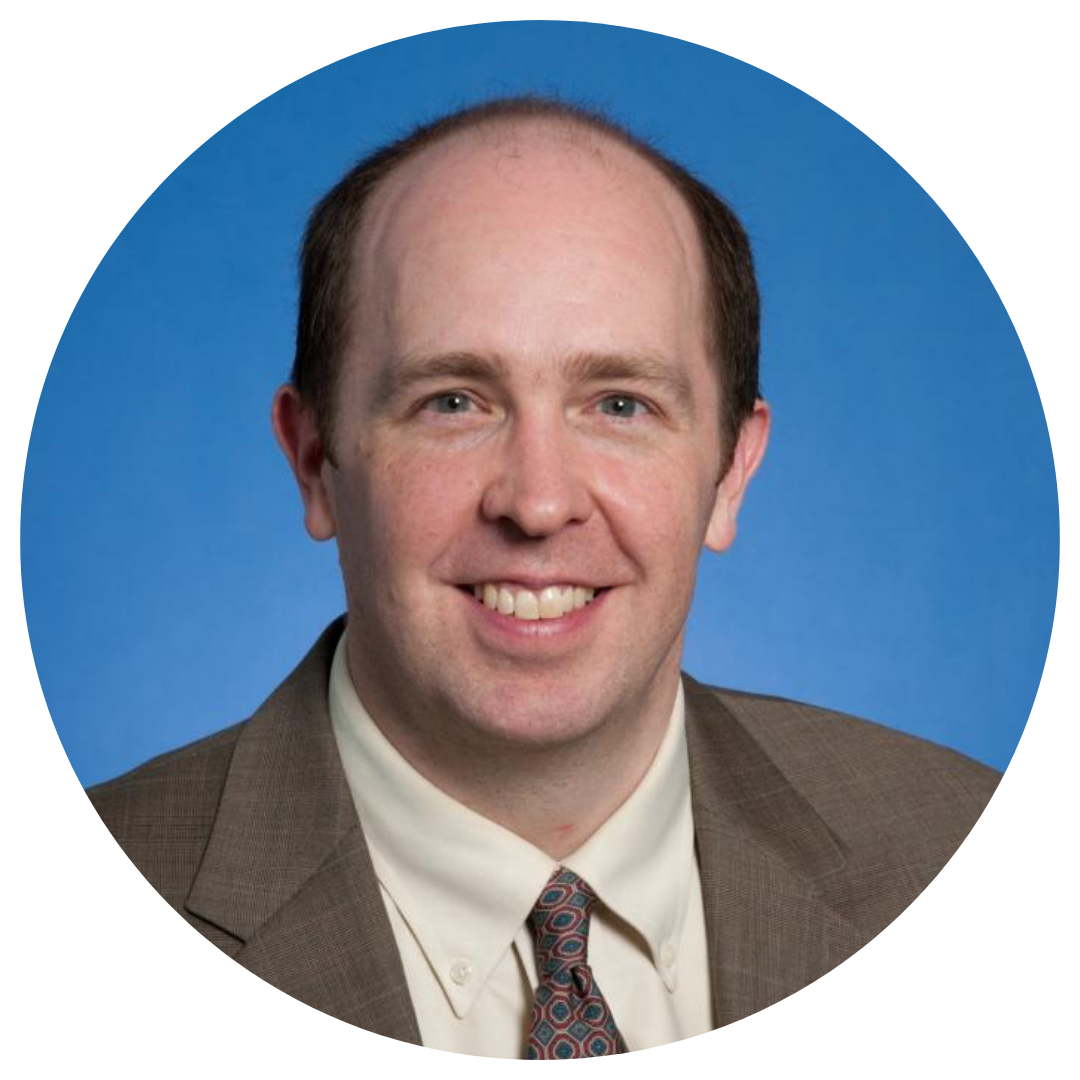
Henry Hale is the Director of the Petrach Program on Ukraine. He is a Professor of Political Science and International Affairs, and his most recent books are The Zelensky Effect (Hurst/Oxford University Press 2022, co-authored with Olga Onuch) and Patronal Politics: Eurasian Regime Dynamics in Comparative Perspective (Cambridge, 2015). Prominent themes in his research include ethnic politics, political regimes, voting behavior, the public opinion dimension of international relations, and politics in post-Soviet countries, where he has conducted extensive field research.

Robert Orttung is Professor of Sustainability and International Affairs and Research Director for the Sustainability Institute at the George Washington University. Orttung is the lead PI for two National Science Foundation Navigating the New Arctic projects: Measuring Urban Sustainability in Transition and Arctic Cruise Ship Tourism. He also contributes to several other Arctic-related projects. He is the editor of Urban Sustainability in the Arctic: Measuring Progress in Circumpolar Cities (NY: Berghahn, 2020). He has published extensively on Arctic topics and issues related to the development of Ukraine and Russia’s political systems. Orttung received a B.A. in Russian Studies from Stanford University and both an M.A. and a Ph.D. in Political Science from the University of California, Los Angeles.
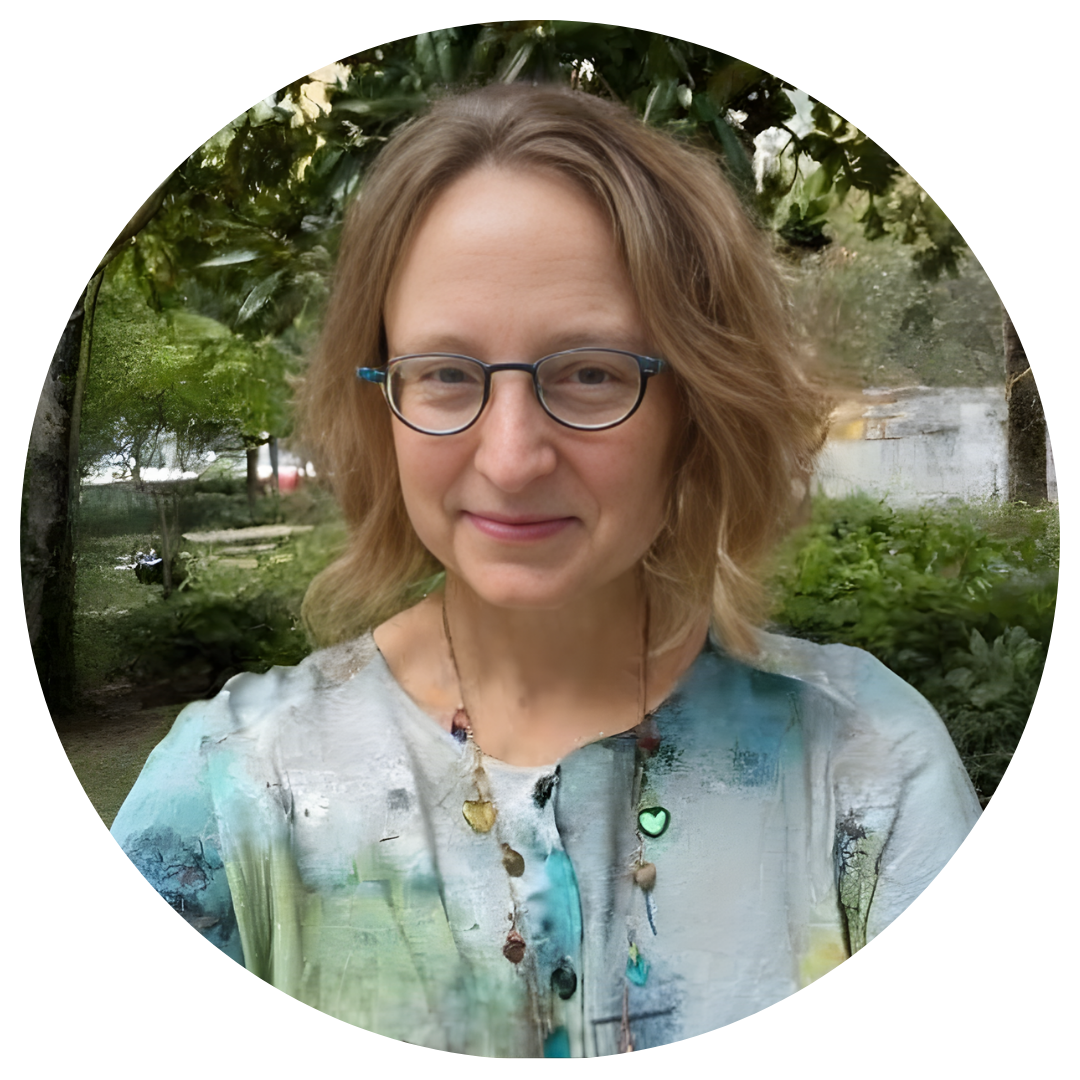
Michelle Kelso is Director of Human Services & Social Justice and Assistant Professor of Sociology and International Affairs at The George Washington University. Professor Kelso’s research focuses primarily on the fate of the Roma during the Holocaust in Romania and Ukraine. Social justice and the exploration of (in)equalities are the foundations of her research. She is particularly interested in the intersection of memory, marginalization, and contemporary education policy. With a strong belief in public sociology, Dr. Kelso integrates her scholarship with public discussions and policy programming. In 2017, she began a research project focusing on memory and commemoration of the Holocaust in post-Soviet spaces, with a concentration on Ukraine. Dr. Kelso has extensive international experience both as a researcher and consultant. She consulted for the Council of Europe, USAID, non-profits, Holocaust compensation programs, and the Romanian government. She has been the recipient of several prestigious national awards, including a Fulbright Core Fellowship to Romania in 2016-17, as well as two prior Fulbright grants in 2004 and 1994.
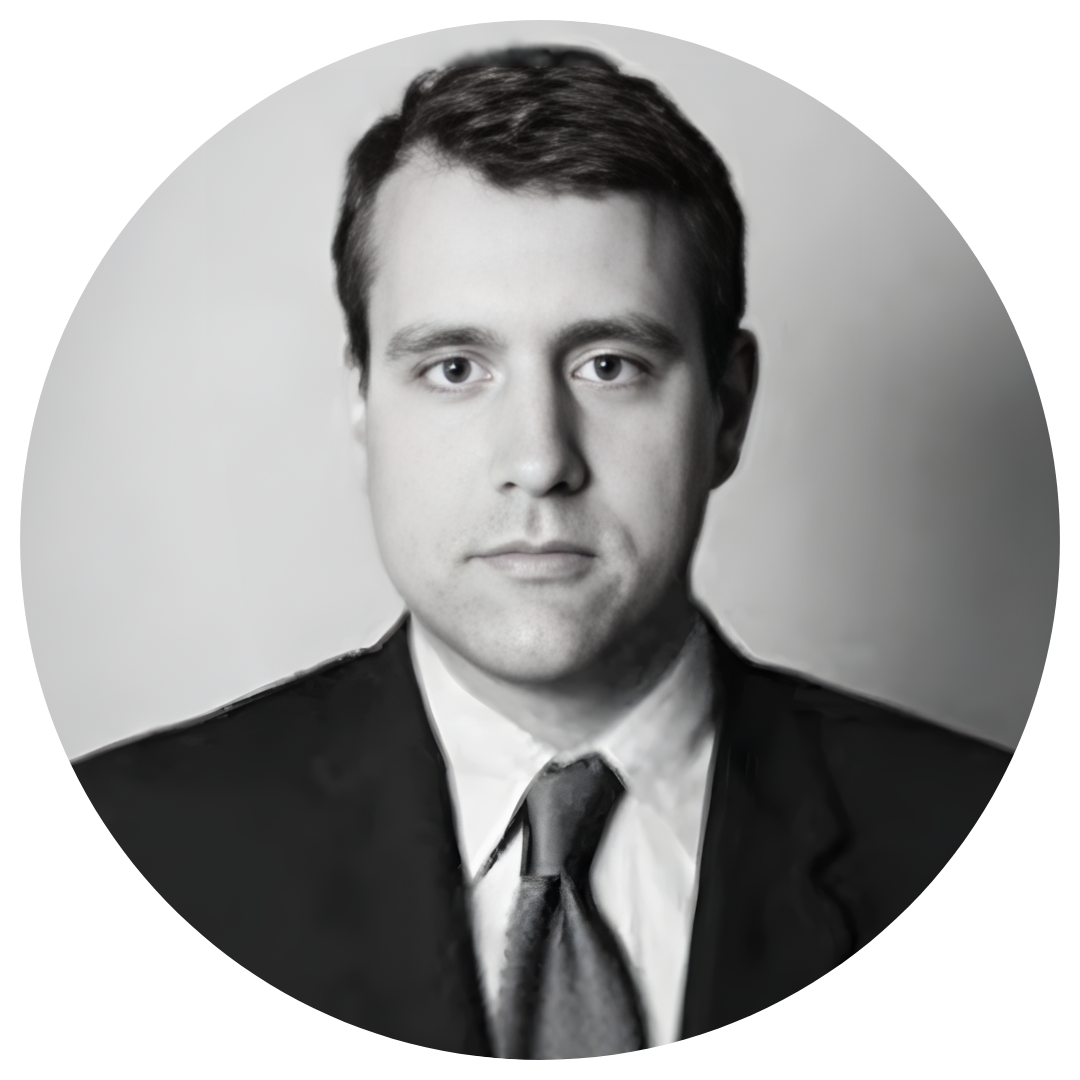
Erwan Lagadec is Associate Research Professor at the Institute for European, Russian, and Eurasian Studies (IERES), where he leads Elliott School programs on EU and NATO affairs as the head of IERES' Transatlantic Program. He is the Director of IERES’ European Union “Jean-Monnet” Center of Excellence, and he leads a Memorandum of Understanding between the Elliott School and NATO’s Allied Command Transformation. He teaches classes on the EU, NATO, and Western policy towards Russia, all of which focus heavily on relations with Ukraine and lessons from Ukraine's resistance against Russian aggression. He is also a nonresident senior Fellow at the Atlantic Council’s Transatlantic Security Initiative and its Europe Program. He was previously affiliated with Duke University’s Sanford School of Public Policy; France’s Saint-Cyr Military Academy (he is a former officer in the French Navy Reserve); Tufts University’s Fletcher School of Law and Diplomacy; the University of Virginia-Charlottesville; Tulane University; Harvard University; MIT; the Center for Transatlantic Relations at Johns Hopkins University’s School of Advanced International Studies; and the Woodrow Wilson International Center for Scholars. A French-U.S. dual citizen, he holds a D.Phil. in History from the University of Oxford.
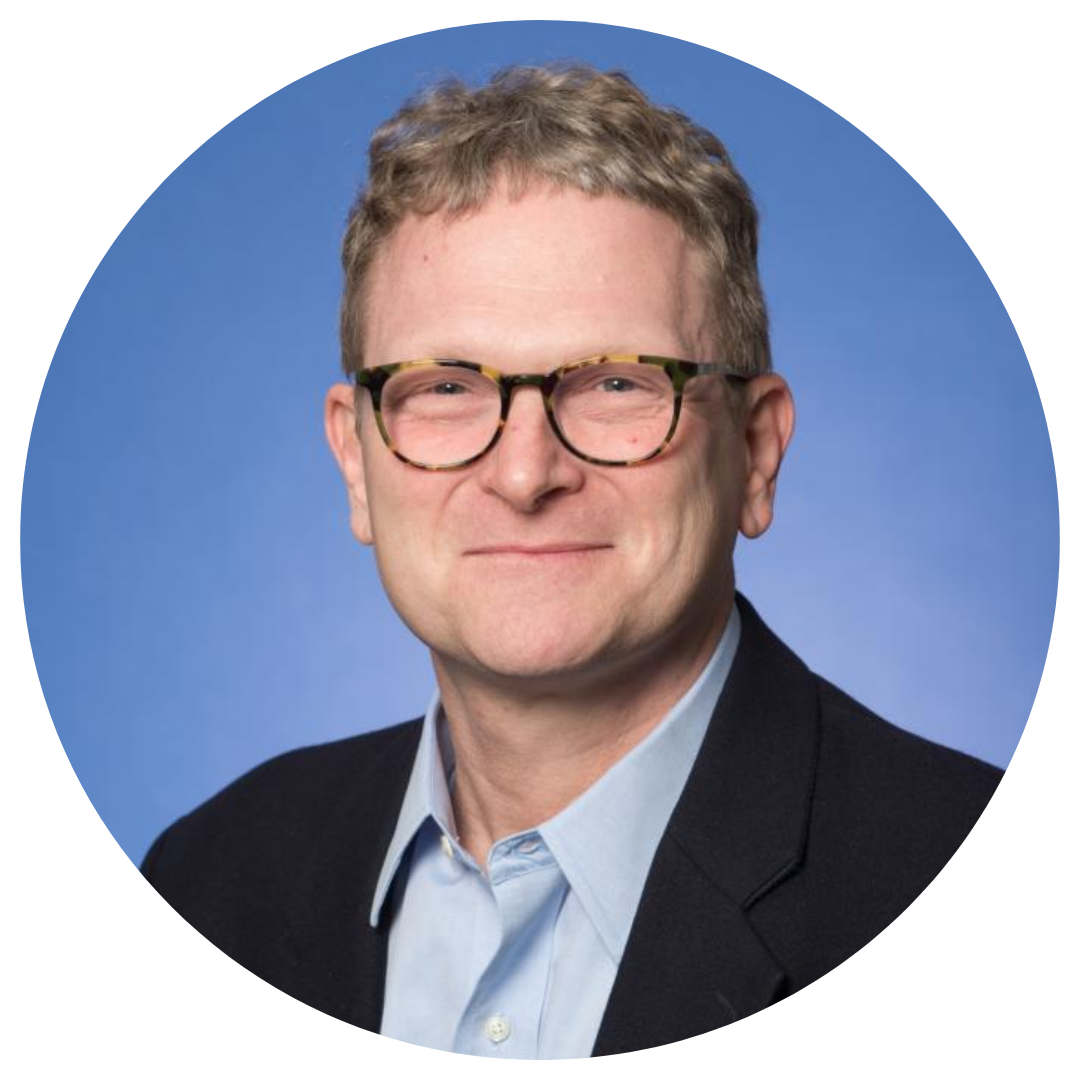
Sean R. Roberts is a Professor in the Practice of International Affairs at The George Washington University’s Elliott School of International Affairs and, since 2008, has been Director of the School’s International Development Studies program. Dr. Roberts is an anthropologist who studies issues of democracy, governance, and human rights in Eurasia. His primary academic research focus has been on Central Asia and the Uyghur people of China, and he is the author of The War on the Uyghurs: China’s Internal Campaign Against a Muslim Minority (Princeton University Press, 2020). However, he has also conducted substantial applied research throughout Eurasia for international development agencies and NGOs, including significant development-related applied research in Ukraine. He is the co-author of a 2011 evaluation of PACT’s work with Ukraine’s civil society sector, as well as the co-author of a 2014 local governance and decentralization assessment and a 2015 assessment of everyday corruption, both commissioned by USAID. He has also been a member of the PONARS Eurasia network since 2010.
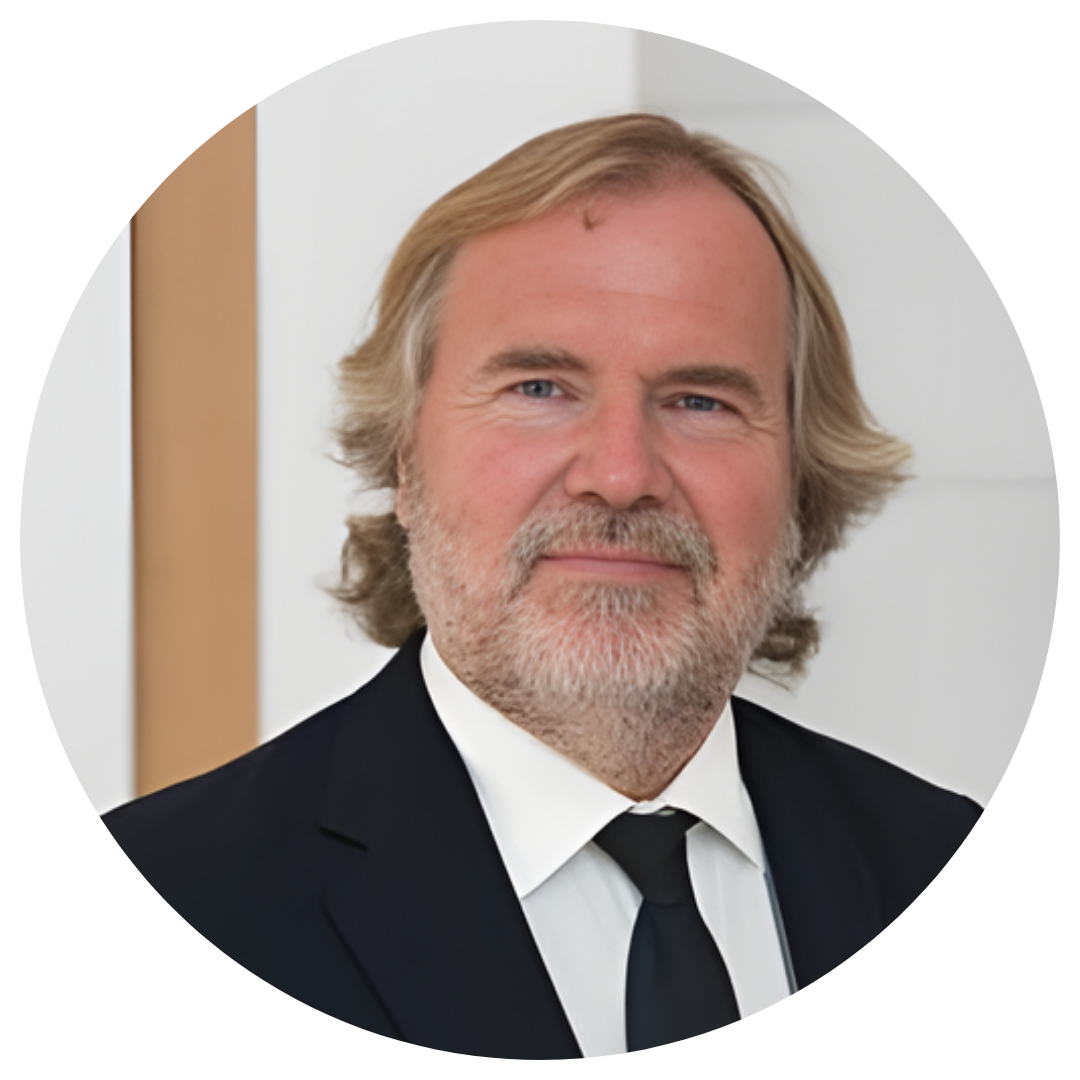
Peter Rollberg is Professor of Slavic Languages, Film Studies, and International Affairs at George Washington University in Washington, DC. Among his publications are the Historical Dictionary of Russian and Soviet Cinema (2008, second, expanded edition 2016) and the monograph The Cinema of Soviet Kazakhstan, 1925-1991: An Uneasy Legacy (2021; paperback 2022). Rollberg was Chair of the Department of Romance, German, and Slavic Languages and Literatures in 2006-2009; Director of the Institute for European, Russian, and Eurasian Studies in 2012-2019; and ESIA Associate Dean for Faculty Affairs and Research Initiatives in 2019-2022.
Sharon Wolchik is Professor of Political Science and International Affairs at the George Washington University. Professor Wolchik received her Ph.D. from the University of Michigan. At GW, she teaches courses on the comparative governments and politics of Central and Eastern Europe and the international relations of the region. She is currently researching the role of women in the transition to post-communist rule in Central and Eastern Europe, ethnic issues in post-communist societies, and the development of party systems and other aspects of politics in the Czech Republic and Slovakia.
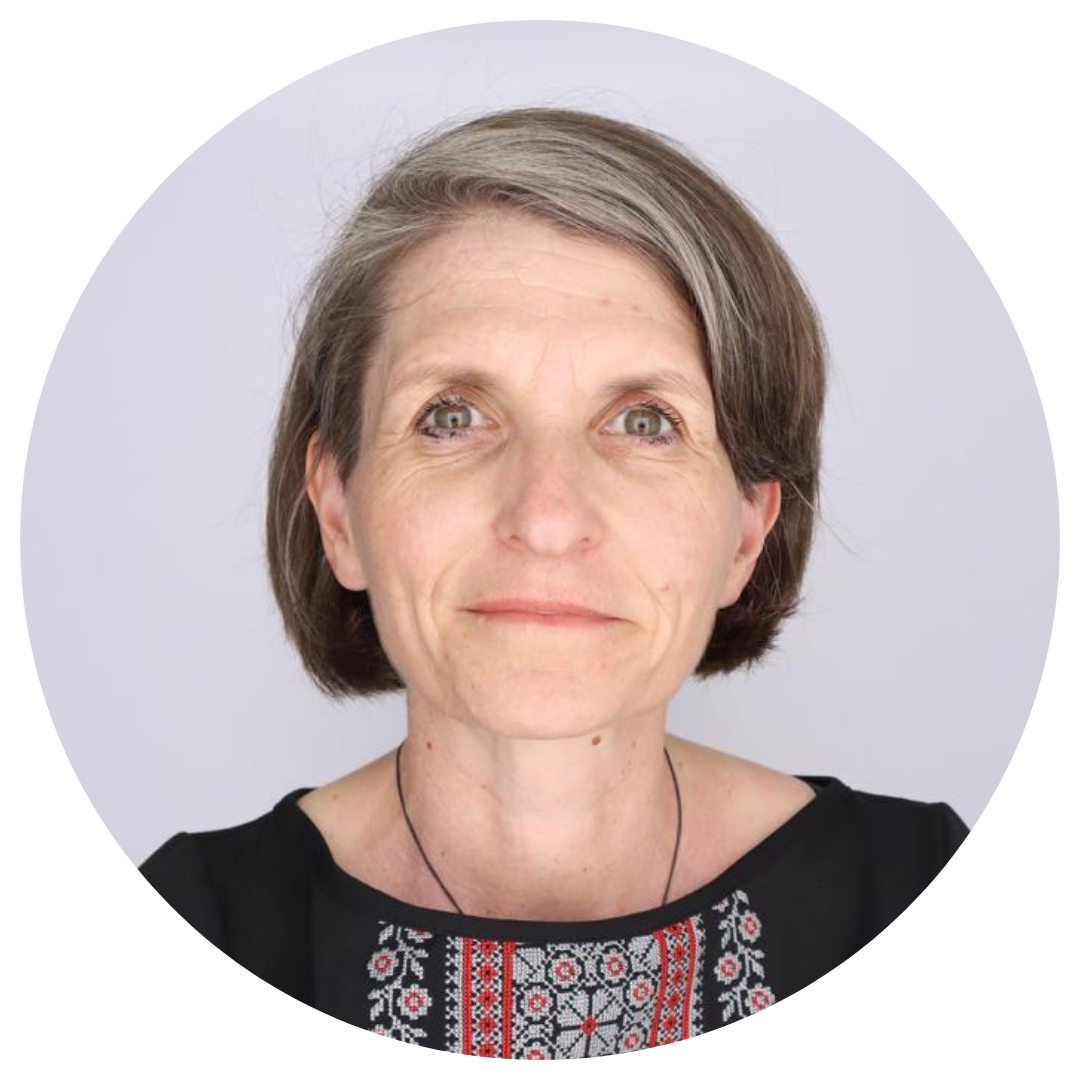
Dr. Oksana Yakushko is a professor of clinical psychology and the Director of the doctoral Professional Psychology program at George Washington University. She is a licensed and board-certified psychologist and psychoanalyst. She is a Fellow of the American Psychological Association. She has received many awards for her global and local work on topics such as xenophobia, immigration, culture, the history of psychology, and trauma-focused psychotherapy. She is an author of over 60 scholarly publications. As a member of the Ukrainian diaspora in the U.S., she is actively involved in numerous projects, initiatives, grants, and publications related to the impact of Russian aggression on Ukraine and Ukrainians, as well as the decolonizing approaches to (western) understanding of Ukraine.
Keith Darden is an Associate Professor and Chair of the Department of Politics, Governance & Economics at American University. Darden’s research focuses on nationalism, state-building, and the politics of Russia, Ukraine, and Eurasia. His forthcoming book, Resisting Occupation in Eurasia (Cambridge University Press), examines the development of durable national loyalties through education and explains how they have shaped over a century of regional patterns in voting, secession, and armed resistance in Ukraine, Eurasia, and the world. His award-winning first book, Economic Liberalism and Its Rivals (Cambridge University Press, 2009), explored the formation of international economic institutions among the post-Soviet states, and explained why countries chose to join the Eurasian Customs Union, the WTO, or to eschew participation in any trade institutions. At SIS, Prof. Darden teaches courses in international relations, comparative politics, and the politics of Eurasia. Beyond SIS, Prof. Darden serves as co-editor of the Cambridge University Press Book Series, "Problems of International Politics," and is actively engaged with Russia and Eurasia through the Bilateral Working Group on US-Russia Relations, PONARS Eurasia, the Valdai Discussion Club, and other forums. His analyses and interviews concerning events in Ukraine have been published in Foreign Affairs, Survival, The New York Times, The Washington Post, The Boston Globe, Le Monde, National Geographic, The National Interest, Russia in Foreign Affairs, the AP, the New Yorker, and Reuters. He has been interviewed on CNN, Washington Public Radio’s Kojo Nnamdi Show, Sirius XM radio, CBS, Voice of America, Echo Moscow, Ukrainian television (Channel 5), and C-SPAN.
Gerard Toal is Professor of Government and International Affairs at Virginia Tech in the Washington, D.C., metro area. Toal holds a First Class Honors B.A. in History and Geography from the National University of Ireland, Maynooth, an M.A. in Geography from the University of Illinois at Urbana-Champaign (1984), and a Ph.D. in Political Geography from Syracuse University (1989). He served for ten years in the Department of Geography at Virginia Tech in Blacksburg, before establishing the Government and International Affairs program in the School of Public and International Affairs in Northern Virginia. He has held fellowships at the Copenhagen Peace Research Institute, and the Center for International Studies at the University of Southern California. Toal has authored, co-authored, and/or edited eight books. Bosnia Remade: Ethnic Cleansing and Its Reversal, co-authored with Dr Carl Dahlman, won the Julian Minghi Book Prize from the Political Geography Specialty Group. Near Abroad: Putin, the West, and the Contest over Ukraine and the Caucasus won the ENMISA Distinguished Book Award from the International Studies Association in 2019. He has served as an associate editor for the academic journals Geopolitics and Eurasian Geography and Economics. He currently serves on the editorial board of Political Geography, and Eurasian Geography and Economics, Nationalities Papers and Communist and Post-Communist Studies. He has published on various field research projects in Bosnia-Herzegovina, Georgia, Armenia, Moldova, and Ukraine. Together with Karina Korostelina of George Mason University, he is researching public opinion among residents and displaced persons in three fontline Ukrainian cities called 'The Costs of Peace.' His latest book, Ocean Rise Empires Fall: How Geopolitics Hastens Climate Catastrophe, which features a chapter on the ecological costs of the Russia-Ukraine war, will be published by Oxford University Press in February 2024.
Janine Wedel, a Distinguished University Professor in the Schar School of Policy and Government at George Mason University, is an award-winning author and public intellectual who writes about issues of power and elite influence, corruption, governance, and accountability through the lens of a social anthropologist. Her work spans Western democracies, the United States, and Central and Eastern Europe from the Cold War to the present. Her latest of seven books includes Elite Influence (Oxford University Press, forthcoming) and Unaccountable: How the Establishment Corrupted Our Finances, Freedom, and Politics and Created an Outsider Class (Pegasus, 2014, 2016 paperback & Kindle editions). Prize-winning books include Shadow Elite: How the World’s New Power Brokers Undermine Democracy, Government, and the Free Market (Basic Books 2009) and Collision and Collusion: The Strange Case of Western Aid to Eastern Europe (Palgrave 2001). Wedel has contributed analysis pieces to more than a dozen major outlets, including the Financial Times, New York Times, Washington Post, Foreign Policy, USA Today, Salon, Boston Globe, Project Syndicate, and the Wall Street Journal Europe, and her work has been reviewed worldwide and translated into more than a dozen languages. She has been named a Global Policy Chair at the University of Bath in the U.K., a fellow at the Hertie School of Governance in Berlin, and the Kerstin Hesselgren Professor in Sweden. Wedel is the first anthropologist to win the Grawemeyer Award for Ideas Improving World Order, an honor typically reserved for political scientists (previous recipients include Samuel Huntington and Mikhail Gorbachev).
Erik Herron is the Eberly Family Distinguished Professor of Political Science at West Virginia University. His research focuses on political institutions, especially electoral systems. He has traveled extensively in Eastern Europe and Eurasia, including a term as a Fulbright scholar in Ukraine and 17 election observation missions. He has published research in the American Journal of Political Science, Journal of Politics, World Politics, Comparative Political Studies, Electoral Studies, and other notable journals, as well as four books.
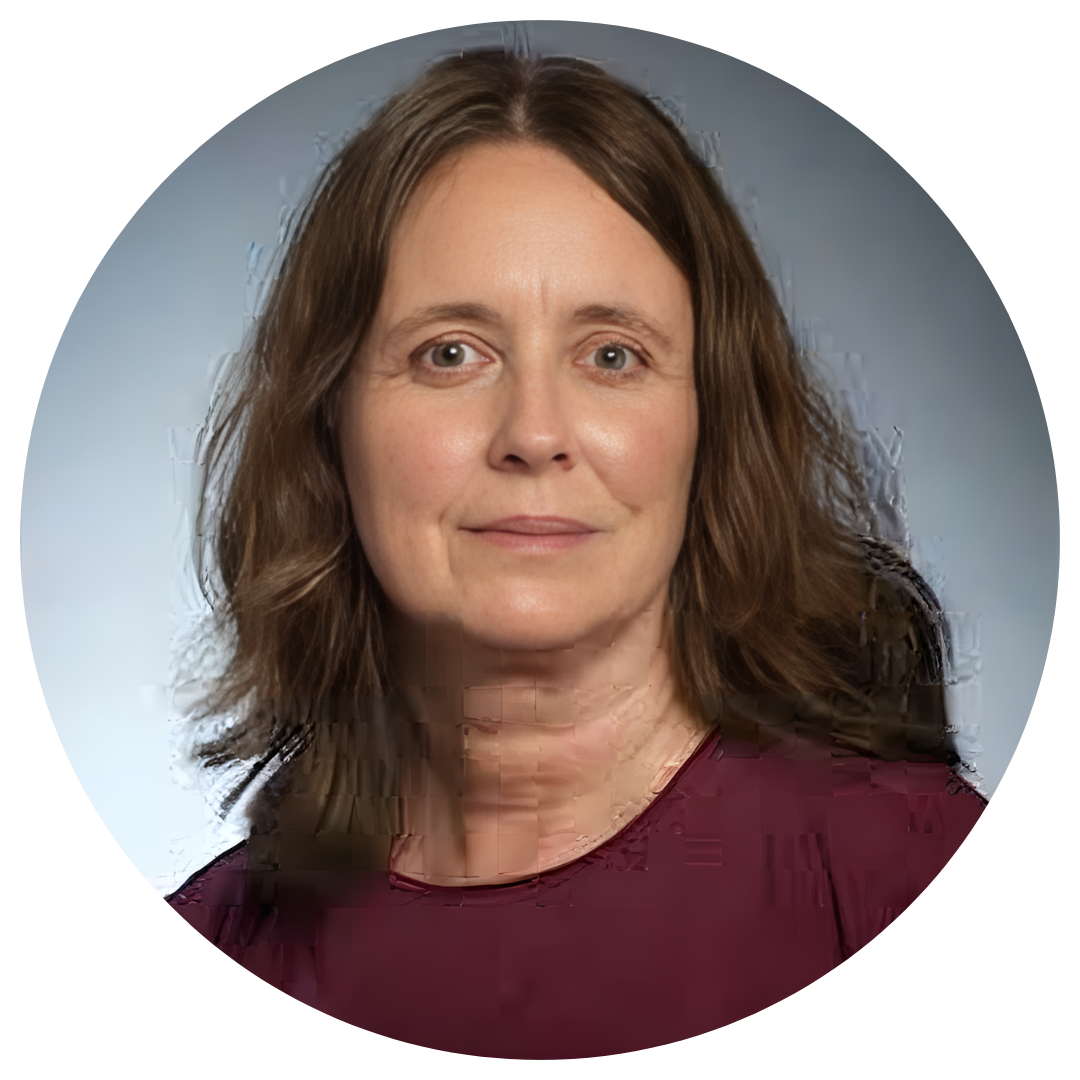
Judy Twigg is a professor of political science at Virginia Commonwealth University, where she teaches courses on global health, international political economy, and diplomacy. For several years, she has also facilitated a VCU course on Ukrainian Politics and Society, taught by faculty from the Kyiv School of Economics. Twigg is a consultant for the World Bank, Asian Development Bank, and Inter-American Development Bank; adjunct professor at Georgetown University; Trustee of the Eurasia Foundation; and member of the Council on Foreign Relations. Her research focuses on issues of health, human capital, and health systems reform in Eurasia. Specifically, on Ukraine, she has published studies on infectious disease control and vaccine hesitancy, healthcare financing reform, health sector leadership, and the policy response to the COVID-19 pandemic. Most recently, she is chronicling Ukraine's wartime experience with HIV prevention and treatment. Twigg was a 2005 recipient of the State Council on Higher Education in Virginia Outstanding Faculty Award. She holds a B.S. in physics from Carnegie Mellon University, an M.A. in political science and Soviet studies from the University of Pittsburgh, and a Ph.D. in political science and security studies from MIT.